
We have all fallen into the trap of longing for the perfect car, the dream house, or the ideal partner and believing that these external factors will bring us lasting joy and satisfaction. The truth, however, is much more nuanced. What we’re really looking for isn’t the tangible object itself, but the inner state and the feelings we associate with it. This realisation can really have a big impact on our pursuit of happiness.
According to psychologist Daniel Gilbert, our expectations of how certain possessions or achievements will make us feel often lead to a psychological phenomenon known as ‘impact bias’. This bias causes us to overestimate the emotional impact of future events, including the acquisition of material possessions.
Our emotional reactions to external stimuli are often short-lived. The initial excitement of a new car or a bigger house gradually fades, and we look for the next purchase to fill the void.
Why is this important? In a world where we are bombarded by advertising and societal norms that equate success with material wealth, it’s important to re-evaluate our desires and challenge the narrative that possessions alone can ensure our happiness. This shift in perspective invites us to explore the profound impact of inner states and mindsets on our overall wellbeing.
When we obsess over external objects, we inadvertently overlook the impermanence of the joy they bring us. The point isn’t to deny the value of material comfort, but to recognise that possessions alone cannot sustain our inner happiness.
Think of a time when you acquired something you longed for — perhaps a new gadget or an expensive pair of shoes. Initially, the excitement and joy may have been very real, but over time these feelings have probably diminished. This phenomenon isn’t uncommon; it’s a common experience that highlights the transience of external pleasure.
Imagine someone who worked tirelessly to afford their fantasy house. The day the keys are handed over is a moment of unrivalled bliss. But as the months go by, the novelty of the house wears off and the initial euphoria gives way to the realisation that the external object of the house was no guarantee of lasting happiness.
This realisation isn’t to diminish the importance of achievements or possessions, but to emphasise that they should be seen as a complement to our inner state and not a substitute for it. By understanding this, we can recalibrate our approach to desires and create a foundation for a more lasting sense of contentment.
The pursuit of possessions for lasting happiness is an illusion. While external achievements can bring temporary joy, it’s important to recognise their transience and seek a more sustainable source of contentment within.
Why should we prioritise the cultivation of inner states and emotional well-being over the accumulation of possessions? The answer lies in the profound impact these inner aspects have on our overall quality of life.
Positive psychology studies emphasise the link between emotional well-being and life satisfaction. The pursuit of positive emotions, meaningful relationships and a sense of purpose is consistently associated with higher overall levels of happiness. This isn’t to dismiss the role of external achievements, but to emphasise that they’re most fulfilling when they align with our inner state.
Imagine someone who has shifted their focus from the acquisition of material goods to activities that bring them joy and a sense of fulfilment. Meaningful relationships, gratitude and personal growth became the guiding principles of their life. Over time, this shift in focus led to a more sustainable and deeper sense of satisfaction. They begin to see challenges as opportunities for growth, setbacks as lessons and every moment as a chance to feel gratitude. This shift in perspective not only improves their general wellbeing, but also influences the way they coped with life’s ups and downs.
This shift isn’t about giving up on external goals, but understanding that striving for an ideal future should include both tangible achievements and cultivating a positive inner state. By recognising the intricate relationship between these elements, we lay the foundation for a more balanced and fulfilling life.
Prioritising inner states and emotional wellbeing is not about rejecting external achievements, but recognising their synergy with our overall happiness. Building a life based on positive emotions and meaningful connections contributes to a more fulfilling and lasting sense of satisfaction.
Why should we consider a shift in mindset as the cornerstone of our pursuit of happiness? The answer lies in the transformative power of our perspectives and beliefs in shaping our reality.
Adopting a growth mindset, where challenges are seen as learning and development opportunities, is associated with greater resilience and life satisfaction. This shift in mindset is an active choice that can be cultivated through mindfulness, self-reflection and deliberate practises.
Changing our mindset is not a passive reaction to circumstances, but an active choice that shapes our experience of happiness. By adopting a positive and growth-orientated perspective, we empower ourselves to navigate life with resilience and satisfaction.
Our journey to understanding the true nature of our desires debunks the illusion of lasting happiness through possessions. By prioritising inner states and emotional wellbeing and adopting a shift in mindset, we pave the way for lasting fulfilment. The ideal future is not a mere collection of objects, but a harmonious blend of outer achievements and a rich inner landscape. So as we head for life’s goals, let us not lose sight of the profound impact our inner state and mindset can have on shaping a life that goes beyond the fleeting pleasure of possessions.
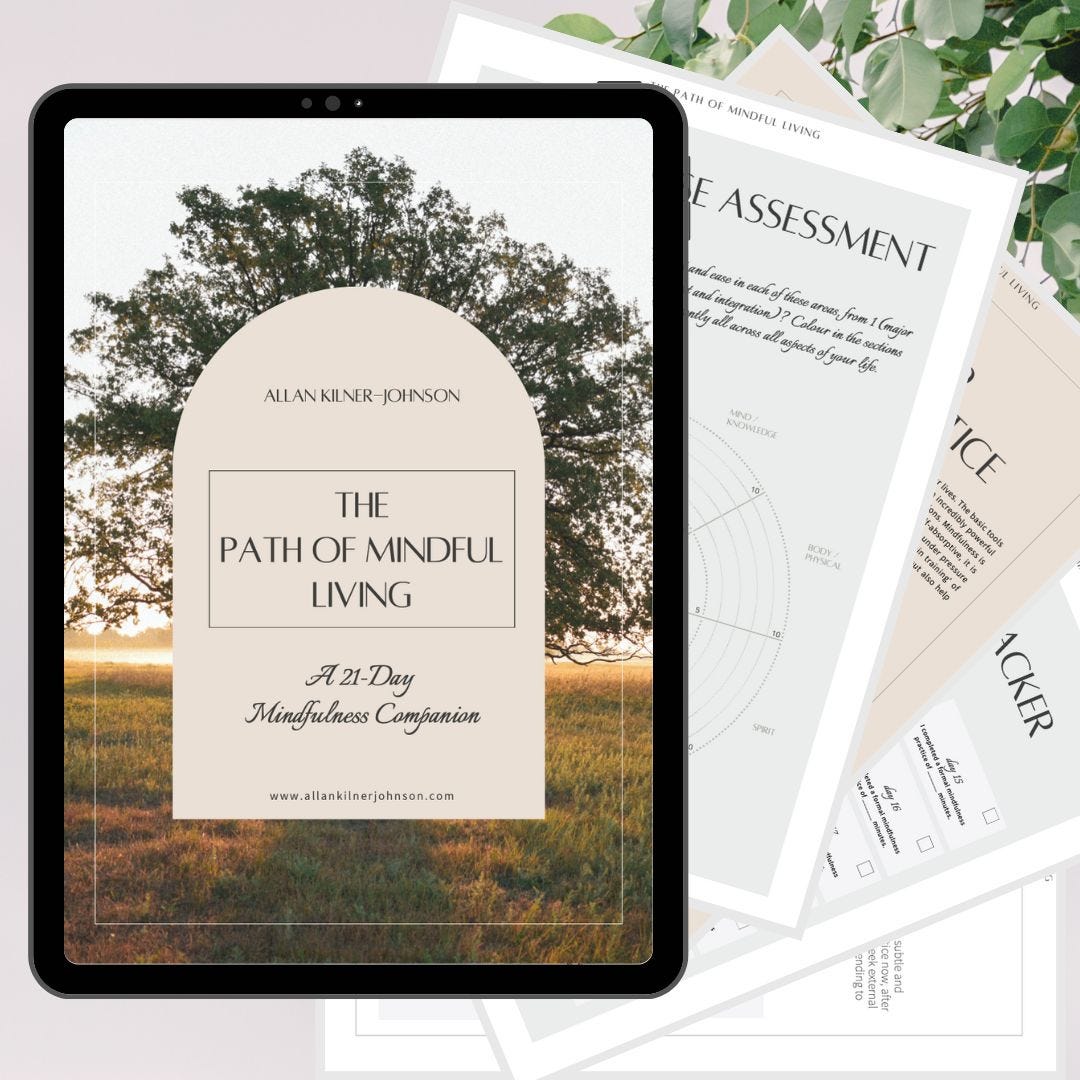
In The Path of Mindful Living: A 21-Day Mindfulness Companion, I lead you through a series of self-guided mindfulness exercises and show you how to bring mindfulness into your daily life.
Readers of Integrative Creativity can download the workbook and pullout charts for only £6.
Discover more from Allan Johnson, PhD
Subscribe to get the latest posts sent to your email.
