The Resources and Challenges of The Innocent Archetype Within

In all of us there lies an inherent innocence — trust in the process, faith in the goodness of others, and a genuine curiosity that drives us forward. This innocence is the foundation for growth and learning, but it is also the beginning of a transformative journey full of challenges and revelations. This part of ourselves taps into an archetype known as The Innocent, which presents challenges but also offers deep wisdom to us as we explore what innocence means within us and within the complexities of our lives.

The Innocent archetype is characterised by a fundamental trust in life and in others, and fosters a sense of belonging to a larger community. It embodies qualities such as purity, simplicity, and optimism, and guides the individual towards a hopeful perspective and a genuine love of learning. At the core of the Innocent archetype lies a deep trust — in oneself, in others and in the inherent goodness of life. This trust serves as a source of strength and resilience and enables individuals to face challenges with a sense of optimism and hope. It fosters a belief in the potential for growth and transformation, even in the face of adversity.

However, this unwavering trust can also lead to a sense of naivety and vulnerability. The Innocent can be overly trusting of others and overlook potential dangers and risks. This can make them vulnerable to manipulation and exploitation as they struggle to recognise the darker side of human nature.

Being comfortable with discomfort is a lesson and challenge for the Innocent.

The Innocent archetype is also characterised by a sense of simplicity and purity. People who embody this archetype often see the world through a lens of innocence and perceive it as a place of wonder and beauty. This simplicity allows them to appreciate life’s small pleasures and find meaning in everyday moments. But, this simplicity and purity can also be a source of limitation, as the innocent have difficulty grappling with the complexities and ambiguities of life. They may shy away from difficult truths and uncomfortable realities, preferring to live in a world of innocence and naivety.

One of the greatest strengths of the Innocent archetype is its inherent sense of optimism. People who embody this archetype approach life with a sense of hope and positivity and believe in the potential for a better future. This optimism serves as a source of motivation and inspiration and drives their efforts to bring about positive change in the world. This optimism can also lead to feelings of disillusionment and disappointment when reality does not meet their expectations. The Innocent may struggle to reconcile their idealistic vision of the world with the harsh realities of life, leading to feelings of frustration and despair.

Despite these challenges, the Innocent archetype brings with it a sense of curiosity and wonder. People who embody this archetype have a genuine love of learning and exploration and are eager to seek out new experiences and knowledge. This curiosity fuels their creativity and imagination and enables them to approach life with a sense of wonder and awe. If left unchecked, this curiosity can also lead to a sense of restlessness and dissatisfaction as the Innocent is constantly in search of new experiences and adventures. They may find it difficult to be content in the present moment as they are always longing for something more or something different.

In the journey of The Innocent archetype, individuals must learn to balance their confidence and optimism with a healthy dose of scepticism and discernment. They must cultivate a sense of resilience and adaptability and learn to navigate the complexity and uncertainty of life with grace and wisdom. By embracing the challenges and opportunities that come with embodying this archetype, they can unlock their full potential and discover the deep wisdom that lies within.

Resources of The Innocent Archetype:

Optimism and hope: The Innocent embodies a sense of unwavering optimism and hope that enables individuals to face life’s challenges with resilience and positivity. This inherent optimism serves as a source of motivation and inspiration, fuelling their efforts to create positive change in the world.
Curiosity and wonder: People who embody the Innocent archetype possess a genuine love of learning and exploration and are eager to seek out new experiences and knowledge. This curiosity fuels their creativity and imagination and enables them to approach life with a sense of wonder and awe.
Trust and faith: At the core of The Innocent archetype lies a deep trust — in themselves, in others and in the inherent goodness of life. This trust is a source of strength and resilience that enables the individual to face challenges with confidence and grace.
Simplicity and Purity: The Innocent sees the world through a lens of simplicity and purity, perceiving it as a place of wonder and beauty. This simplicity allows them to appreciate life’s small pleasures and find meaning in everyday moments, fostering a sense of contentment and fulfilment.
Belonging to a community: The Innocent fosters a sense of belonging to a larger community and creates connections with others based on trust, empathy and shared values. This sense of belonging provides support and encouragement, helping individuals to navigate life’s challenges with resilience and grace.

Challenges of The Innocent Archetype:

Naivety and vulnerability: The Innocent’s unwavering trust and optimism can sometimes lead to a sense of naivety and vulnerability, making the individual susceptible to manipulation and exploitation. They can find it difficult to recognise the darker side of human nature and overlook potential dangers and risks.
Idealism and disillusionment: The Innocent often approaches life with a sense of idealism and optimism, believing in the possibility of a better future. However, this idealism can lead to feelings of disillusionment and disappointment when reality does not meet their expectations. They may find it difficult to reconcile their idealistic view of the world with the harsh realities of life.
Simplicity and limitation: The simplicity and purity of the Innocent archetype can be a source of strength, but also a limitation. People can have difficulty dealing with the complexities and ambiguities of life, preferring to live in a world of innocence and naivety. They may shy away from difficult truths and uncomfortable realities, hindering their personal growth and development.
Restlessness and dissatisfaction: The curiosity and wonder of The Innocent can sometimes lead to a sense of restlessness and dissatisfaction. Individuals may constantly seek out new experiences and adventures and struggle to be content in the present moment. They may feel a constant longing for more or something different, which prevents them from fully appreciating the beauty of life as it unfolds.
Absolutist thinking: The Innocent tends to think in absolutist terms, seeing things in black and white rather than appreciating the complexities and nuances of life. They may find it difficult to acknowledge shades of grey and cling to simplistic solutions and rigid beliefs. This can lead to narrow-mindedness and a lack of flexibility, affecting their ability to adapt to changing circumstances and perspectives.

Mindset Revolution: Building True Contentment From Within


white wooden shelf and decors

We have all fallen into the trap of longing for the perfect car, the dream house, or the ideal partner and believing that these external factors will bring us lasting joy and satisfaction. The truth, however, is much more nuanced. What we’re really looking for isn’t the tangible object itself, but the inner state and the feelings we associate with it. This realisation can really have a big impact on our pursuit of happiness.

According to psychologist Daniel Gilbert, our expectations of how certain possessions or achievements will make us feel often lead to a psychological phenomenon known as ‘impact bias’. This bias causes us to overestimate the emotional impact of future events, including the acquisition of material possessions.

Our emotional reactions to external stimuli are often short-lived. The initial excitement of a new car or a bigger house gradually fades, and we look for the next purchase to fill the void. 

Why is this important? In a world where we are bombarded by advertising and societal norms that equate success with material wealth, it’s important to re-evaluate our desires and challenge the narrative that possessions alone can ensure our happiness. This shift in perspective invites us to explore the profound impact of inner states and mindsets on our overall wellbeing.

When we obsess over external objects, we inadvertently overlook the impermanence of the joy they bring us. The point isn’t to deny the value of material comfort, but to recognise that possessions alone cannot sustain our inner happiness.

Think of a time when you acquired something you longed for — perhaps a new gadget or an expensive pair of shoes. Initially, the excitement and joy may have been very real, but over time these feelings have probably diminished. This phenomenon isn’t uncommon; it’s a common experience that highlights the transience of external pleasure.

Imagine someone who worked tirelessly to afford their fantasy house. The day the keys are handed over is a moment of unrivalled bliss. But as the months go by, the novelty of the house wears off and the initial euphoria gives way to the realisation that the external object of the house was no guarantee of lasting happiness.

This realisation isn’t to diminish the importance of achievements or possessions, but to emphasise that they should be seen as a complement to our inner state and not a substitute for it. By understanding this, we can recalibrate our approach to desires and create a foundation for a more lasting sense of contentment.

The pursuit of possessions for lasting happiness is an illusion. While external achievements can bring temporary joy, it’s important to recognise their transience and seek a more sustainable source of contentment within.

Why should we prioritise the cultivation of inner states and emotional well-being over the accumulation of possessions? The answer lies in the profound impact these inner aspects have on our overall quality of life.

Positive psychology studies emphasise the link between emotional well-being and life satisfaction. The pursuit of positive emotions, meaningful relationships and a sense of purpose is consistently associated with higher overall levels of happiness. This isn’t to dismiss the role of external achievements, but to emphasise that they’re most fulfilling when they align with our inner state.

Imagine someone who has shifted their focus from the acquisition of material goods to activities that bring them joy and a sense of fulfilment. Meaningful relationships, gratitude and personal growth became the guiding principles of their life. Over time, this shift in focus led to a more sustainable and deeper sense of satisfaction. They begin to see challenges as opportunities for growth, setbacks as lessons and every moment as a chance to feel gratitude. This shift in perspective not only improves their general wellbeing, but also influences the way they coped with life’s ups and downs.

This shift isn’t about giving up on external goals, but understanding that striving for an ideal future should include both tangible achievements and cultivating a positive inner state. By recognising the intricate relationship between these elements, we lay the foundation for a more balanced and fulfilling life.

Prioritising inner states and emotional wellbeing is not about rejecting external achievements, but recognising their synergy with our overall happiness. Building a life based on positive emotions and meaningful connections contributes to a more fulfilling and lasting sense of satisfaction.

Why should we consider a shift in mindset as the cornerstone of our pursuit of happiness? The answer lies in the transformative power of our perspectives and beliefs in shaping our reality.

Adopting a growth mindset, where challenges are seen as learning and development opportunities, is associated with greater resilience and life satisfaction. This shift in mindset is an active choice that can be cultivated through mindfulness, self-reflection and deliberate practises.

Changing our mindset is not a passive reaction to circumstances, but an active choice that shapes our experience of happiness. By adopting a positive and growth-orientated perspective, we empower ourselves to navigate life with resilience and satisfaction.

Our journey to understanding the true nature of our desires debunks the illusion of lasting happiness through possessions. By prioritising inner states and emotional wellbeing and adopting a shift in mindset, we pave the way for lasting fulfilment. The ideal future is not a mere collection of objects, but a harmonious blend of outer achievements and a rich inner landscape. So as we head for life’s goals, let us not lose sight of the profound impact our inner state and mindset can have on shaping a life that goes beyond the fleeting pleasure of possessions.


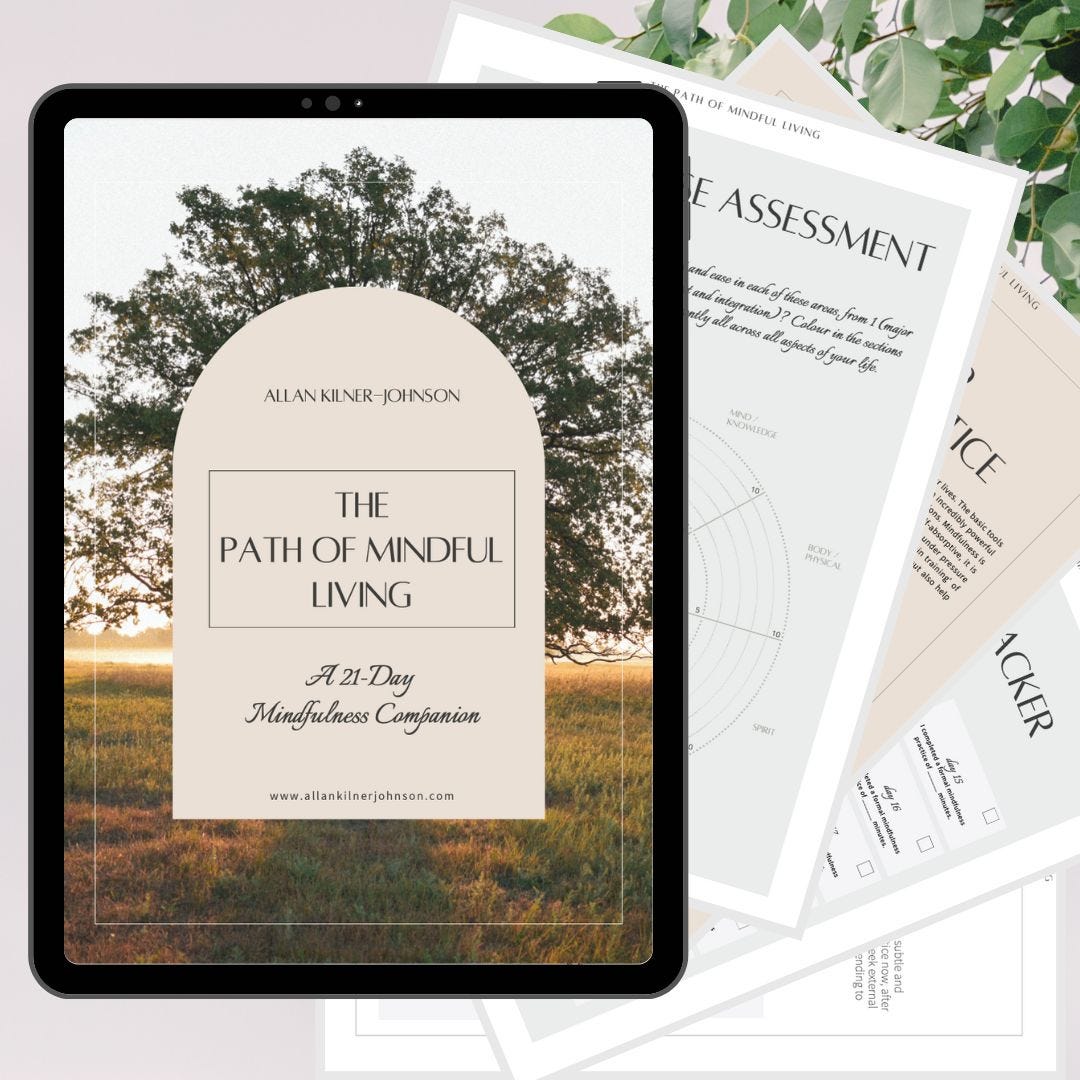
In The Path of Mindful Living: A 21-Day Mindfulness Companion, I lead you through a series of self-guided mindfulness exercises and show you how to bring mindfulness into your daily life. 

Readers of Integrative Creativity can download the workbook and pullout charts for only £6.

Using Rest and Creative Cycles to Ensure a Fulfilling Year Ahead

As winter wraps London in its chilly embrace, we are grappling with freezing temperatures and the prospect of snow. I am originally from northeastern Ohio where subfreezing temperatures and deep snow are a standard feature from November through February, and something about the bracing winds today remind me of home. Like many others, it is at this time of year that I turn inwards, seeking a quieter, more contemplative rhythm to my life and creative work.

In a world where faster and more efficient results are constantly demanded, we as creative people are really seriously at risk of overextending ourselves, and there is a delicate dance between living up to the expectations of hustle culture and avoiding creative burnout. The ubiquitous messages around us emphasise the need for constant productivity, but it’s important to recognise that the wellspring of creativity isn’t bottomless. In order to be consistently creative, we must learn to find a balance between hard work and necessary rest. So strong is the social messaging around ‘speed’, ‘productivity’, and ‘effectivity’, that ‘rest’ itself has become something of a bad word and often widely misunderstood.

One of the most important lessons for creatives is to understand the power of cycles — cycles of work and rest. Sometimes these things are out of our control. For example, we might have deadlines at certain times of the year that we need to schedule in order to finish our work, or we might get sick, or other important commitments might come up that force us to not devote ourselves to our creative work as fully as we would like. 

But while there are definitely parts of the cycle that are out of our control, there are other parts that we can shape, and the winter season, as we approach the new year, is an opportunity for us as creatives to look inwards for a little retreat, however that may look for us. The winter season is an ideal time for a creative retreat, an opportunity to recharge and set the course for the year ahead.

In my own routine, I’ve learnt to appreciate the practise of an annual review in the last weeks of December (an upcoming newsletter will share my annual review process). It’s about reflecting on the past year, recognising achievements, learning from challenges, and thinking about how these experiences will contribute to personal development in the coming year. A period of rest is when we’re not creating new content or coming up with our big new ideas, but that doesn’t mean that periods of rest are unfruitful; it is an important and thoughtful aspect of the creative process.

I’m not saying that December is the month in which we simply switch off. Some of us may have the opportunity to take a creative sabbatical, which is fantastic, but there are other ways we can find this creative calm within the year. One of the best strategies I’ve put into play is the concept of planned rest on the weekends. Often we push ourselves so hard during the working week that we just slump at the weekend, binge watching TV and movies, thinking that this will relax and recharge us, but what happens is that we feel the same on Sunday night as we did the Sunday night before. What if, instead, we start the weekend with an affirmation for the activities we’re going to do to unwind and recharge, such as a long hike or a meditation class or a museum visit. Instead of just letting our weekends fall before us, we can start to give our weekends some shape, by introducing forms of intentional calm that we know will recharge our batteries and leave us ready for the week ahead.

Another way we can implement cycles for creative occupations is by introducing rituals into our lives. I’ve have lots of rituals—seasonal rituals, monthly rituals, daily rituals—that give shape and form to my creative work and practises. So during this time of calm and stillness, how about we start each morning with a very simple ritual of simply lighting a candle. We don’t need to think too much about it; this routine and discipline will nourish us. We oftentimes incorrectly think that rest and regeneration is about letting go of all discipline. It’s not. We find strength and resilience through the patterns that we create and show up for but these patterns don’t need to be running a marathon every day. These restorative and empowering rituals can be something as simple as lighting a candle every morning

Another practical tool for sustainable creativity, is something known as time blocking. When we look at our to-do list, we sometimes feel overwhelmed by the amount of things we have to do. But rather than letting ourselves fall into that feeling of overwhelm and despair we can start time blocking our diary. For example, if there are three small tasks that might take 20 minutes each to complete, we can group them together in the next one hour block in our diary. We don’t have to think about them in the meantime. So it’s not about giving up the tasks we have to do. It’s about creating routines, habits, and patterns that allow us to find the strength we need in our hectic lives to constantly be able to fill the well and show ourselves as creative professionals.

Two really great books that talk more about the importance of rest are Rest: Why You Get more Done When Your Work Less by Alex Soojung-Kim Pang and Sacred Rest: Recover Your Life, Renew Your Energy, Restore Your Sanity by Saundra Dalton-Smith. But even more importantly, at this time of year I would encourage you to simple read a book that you enjoy! A funny one, romantic one, silly one, adventurous one. Whatever it is that feels like comfort and relaxation to you. 

As we approach 2024, we can begin to embrace the cyclical nature of creativity. Knowing that as creatives we can’t work at full steam all year round, we need to find opportunities to rest, recover, and reflect. This doesn’t mean that we give up our work completely, but that we empower ourselves with forms of intentional rest. Ultimately this creates a more sustainable and fulfilling creative life for ourselves so that we’re able to show up and continue to produce as creatives, finding value and meaning in the process.

17 Powerful Questions for Connecting to Gratitude

What are you grateful for?  Listing and affirming gratitude is one of the best ways that we can begin to bring positive change for ourselves and those around us.  As we begin to become more aware of the many blessings already present in our lives—from the small things, to the overlooked things, to the big and important things—we are better able to see and connect to the abundance that is around us.

A fantastic way to begin is with a formal gratitude listing practice.  There are a lot of really great gratitude journals available on the market, but you don’t need to buy a new journal to start recording the things you are grateful for. Any notebook will do, and all it takes is a few minutes at the beginning or the end of your day to make a list of the things that you are most grateful for right now.  Your gratitude journal can include anything, big or small.  There will be some days when things are not going especially well and you struggle to find anything to be grateful for.  These are the days when the most important invitation to you is to return to the simplest gifts that are with you all the time: fresh air, beautiful sunlight, clean water.  On other days your list of gratitude might be more plentiful.

I’ve been keeping a daily gratitude journal for over five years and have seen immense benefit from it.  A study in the Journal of Personality and Social Psychology called ‘Counting Blessings versus Burdens: An Experimental Investigation of Gratitude and Subjective Well-being in Daily Life’ showed that ‘a conscious focus on blessings may have emotional and interpersonal benefits’.  Starting your day with a list of gratitude sets the tone for the day, and once you’ve turned gratitude into a daily practice you’ll begin to experience greater awareness, acceptance, and compassion.  These powerful questions can be a great starting point for connecting to gratitude and starting a daily gratitude practice:

  1. When did you find inner strength to overcome a great challenge?
  2. What has made you smile recently?
  3. Who helped you to achieve a recent accomplishment?
  4. What inspires you?
  5. Who has shown you kindness this week?
  6. Where are you best able to express yourself?
  7. When did you feel cherished?
  8. Where do you feel most at home?
  9. What part of the natural world inspires you most?
  10. What wishes have come true?
  11. Who brings joy into your life?
  12. What negative experience ultimately led to something positive?
  13. What can you see outside your window?
  14. Who really listens to you and hears you?
  15. Who or what has recently entered your life that you are grateful for?
  16. What room in your home most inspires you?
  17. Who has helped you to make a difficult decision recently?

Download your free 21-day course in The Path of Mindfulness. In this life-changing 21-day mindfulness journey, Dr Allan Kilner-Johnson guides you through a series of self-guided mindfulness exercises and shows you how and when to bring mindfulness into your daily life. 

How to Cultivate Gratitude Every Day

As the nights begin to grow longer and we move into our second national lockdown in the UK there is a fair amount of uncertainty, gloom, and worry hovering about our lives.  But now more than ever is an important time to reflect on all of the things that we are grateful for. Gratitude is a practice and an attitude that we can consciously cultivate every day of our lives through a series of simple, mindful exercises: 

Start a Gratitude Journal 

Keeping track of things that that we feel grateful for can have an amazingly positive impact on our wellbeing.  If you already have a regular journaling practice, you can begin list three things that you are grateful for in each entry.  If you do not already have a regular journaling practice, begin a gratitude journal simply by starting each day by writing down three things that you are grateful for.  Spending a brief moment to reflect on what you are grateful for is a fantastic way to start the day.

Notice the Simple Pleasures 

One of the best ways cultivate more gratitude in your life is to begin to pay attention to the small things that bring you pleasure: a beautiful flower, a perfect cup of coffee, a conversation with your partner.  In those moments, take just a brief second to reflect on the pleasure that you receive from the simple things in life.  

Look for the Positive in a Negative Situation

When you find yourself in a challenging situation reflect on what positive angle you might be able to find.  The worry of having to stay at home during lockdown, for instance, may seem negative, but it could likewise be an opportunity to catch up on books you’ve been meaning to read, complete some DIY, or try to recipes that you don’t usually have time for. 

One-Day No Complaints Challenge

For just one day, set a challenge to yourself to not complain.  This includes both complaints that you say aloud to others as well as complaints that are only in your head.  The one-day no complaints challenge can seem difficult at first, but has the amazing ability to shift your perceptions very quickly.  When you find yourself about to complain about something, pause long enough to reflect on how you might transform that complaint into a positive action. 

Give an Authentic Compliment

In our society we are often bad at both giving and receiving compliments, and we often worry about how others will receive the compliments that we give to them.  However, giving authentic, genuine compliments to those around you is not only a powerful way to acknowledge what you are grateful for but helps to make the world a happier and kinder place.