
Cultivating Present Moment Awareness: Your Journey to Mindful Living

My approach to meditation is deeply rooted in the belief that we can enrich our understanding of mind and psychology by incorporating a variety of contemporary approaches and influences on meditation. This holistic approach allows us to cultivate a greater sense of contentment, joy, pleasure, and connectedness in our daily lives. By embracing various meditation techniques and principles, we can tap into a deep well of strength and establish a regular and consistent meditation practise that serves as a source of inner strength and calm.

I want you to start by imagining a really happy memory from your life— perhaps a holiday with family or friends, or a great experience you had with a partner, child, or parent. Think of one of those truly happy, transcendent moments that keep popping up in our lives, moments that we savour and are grateful for when they happen. Maybe it was a sunny day at the beach, with the waves lapping gently against the shore and a cool breeze caressing your skin. Or maybe it was a special occasion, like a birthday party full of laughter and joy, surrounded by the people you love. These moments are like treasures that we carry with us, brightening our days and reminding us of the beauty and happiness that life has to offer.

As you recall this memory, I want you to become aware of all the sensory details, all the things you perceive in this scene as you let it reappear in your mind’s eye. Try to imagine the colours, the sounds and the scents that surround you at that moment. Feel the temperature on your skin and the feelings that were stirred up inside you. Let the scene play out like a vivid film in your mind’s eye and explore every detail and feeling associated with it. Now pay attention to where your thoughts are. Is it running into the future, into a time after this event? Is it going back to something that happened before that time? Or does it really only seem to focus on that one big, happy, transcendent moment?

It’s probably focussing primarily on that one moment, because that’s what these big, happy moments do for us. They create a sense of ‘present moment awareness’, a sense that we really are in this moment. The past does exist and the future will inevitably come, but neither seems that important in this moment. This is something I call ‘time-orientation’. Our mind tends to spend a lot of time in places that are not the present. It often dwells on the past, going over memories, stories, limiting beliefs and moments of shame or embarrassment. This leads to a mindset of rumination where we replay past events. In contrast, when we experience these profound moments, it is as if time stands still and we can only focus on the beauty and joy of that particular moment. It is as if the rest of the world fades away and we are completely immersed in the blissful present. This heightened awareness and connection to the present moment can bring about a deep appreciation for the simple yet extraordinary things that happen in our daily lives and remind us to cherish every moment.

I won’t deny that the past has happened or that bad things have happened. But maybe our minds spend a little too much time there. Memories, both good and bad, can have a powerful impact on our thoughts, shaping our present and influencing our future. It is important to acknowledge the past, learn from it and then gently release it from our thoughts. Similarly, our minds can also focus excessively on the future, on things that have not yet happened. This is where anxiety arises as we visualise things that could or might happen. The unknown can be scary, but finding a balance between recognising the future and living in the present can help to lighten the burden of worry and anxiety.

Our orientation to time plays an important role in shaping our thoughts and emotions. It constantly pulls us into the past, where we brood, or into the future, where we are afraid. It is a common human experience to dwell on past mistakes or worry about the future, but these tendencies can often overshadow the richness of the present moment. When we constantly project our thoughts backwards or forwards, we miss out on the opportunities and experiences that are available in the present. By consciously focussing our attention on the here and now, we have the opportunity to fully engage with our surroundings, connect with others and enjoy the beauty of the present moment.

One of the most important tools we use to create a stronger connection to the awareness of the present moment is the so- called meditation object. A meditation object is anything that we use to focus and centre our mind — a tool that we draw upon. This can be a sound, a body sensation, a mantra or a visualisation. In this module, we will focus on the breath. When we focus on the breath, we pay attention to the rising and falling of the chest, the sensation of air flowing in and out through the nostrils, and the rhythm of inhaling and exhaling. This practise can help us to develop a sense of calm and presence as we focus our attention on the natural and constant rhythm of our breathing. By refining our ability to stay present with the breath, we develop a valuable skill that we can use in various aspects of our lives to promote mindfulness and emotional regulation.

The breath is often the best and simplest meditation object. When we focus on the sensation of the breath, we start where we are most physically aware of it. The first step is to notice how the breath moves through the nostrils, how the chest expands or how the belly rises and falls. This will serve as a starting point for the mind to return to when it begins to wander. As we continue to practise, we may find that our awareness of the breath deepens and we can observe the subtle changes in its rhythm and temperature. We may also become more sensitive to the connection between our breath and our emotional state, noticing how it can become shallow and hurried in times of stress and slow and deep in moments of calm. By regularly meditating on the breath, we can cultivate a greater sense of presence and peace and gradually train our mind to become more focussed and aware both on and off the cushion.

Start experiencing the transformative power of Integrative Meditation today!

This course represents the culmination of years of learning, practice, and personal growth. Integrative Meditation is a comprehensive framework designed to enhance your mental and emotional well-being. It draws on Mindfulness-Based Cognitive Therapy (MBCT), positive psychology, neuroscience, Acceptance and Commitment Therapy (ACT), journaling, and breathwork to support you in reducing stress, enhancing focus, building emotional resilience, and discovering your true self.

Enrol Now and start your journey towards a transformed, healthier, and happier you.

5 Steps to Develop a Daily Meditation Practice: Tips from an Integrative Coach and Meditation Teacher

Meditation has been practised for thousands of years and is becoming increasingly popular in today’s society as a means of reducing stress, increasing concentration and improving general well-being. However, establishing a consistent meditation practise can be challenging, especially for beginners. As an integrative coach and meditation teacher, I have worked with many people to develop a daily meditation practise, and I have found that there are five essential steps to successfully building this habit.

Step 1: Set an Intention

The first step in developing a daily meditation practise is to set an intention. This involves identifying the reason for your meditation and setting a clear, specific goal for your practise. Without a clear intention, it can be difficult to stay motivated and focused on your meditation practise.

To set an intention, take some time to think about why you want to meditate. Do you want to reduce stress? Improve concentration? Increase self-awareness? Once you have found your reason for meditating, set a clear, specific goal for your practise. For example, you might decide to meditate for 10 minutes every morning before you start your day.

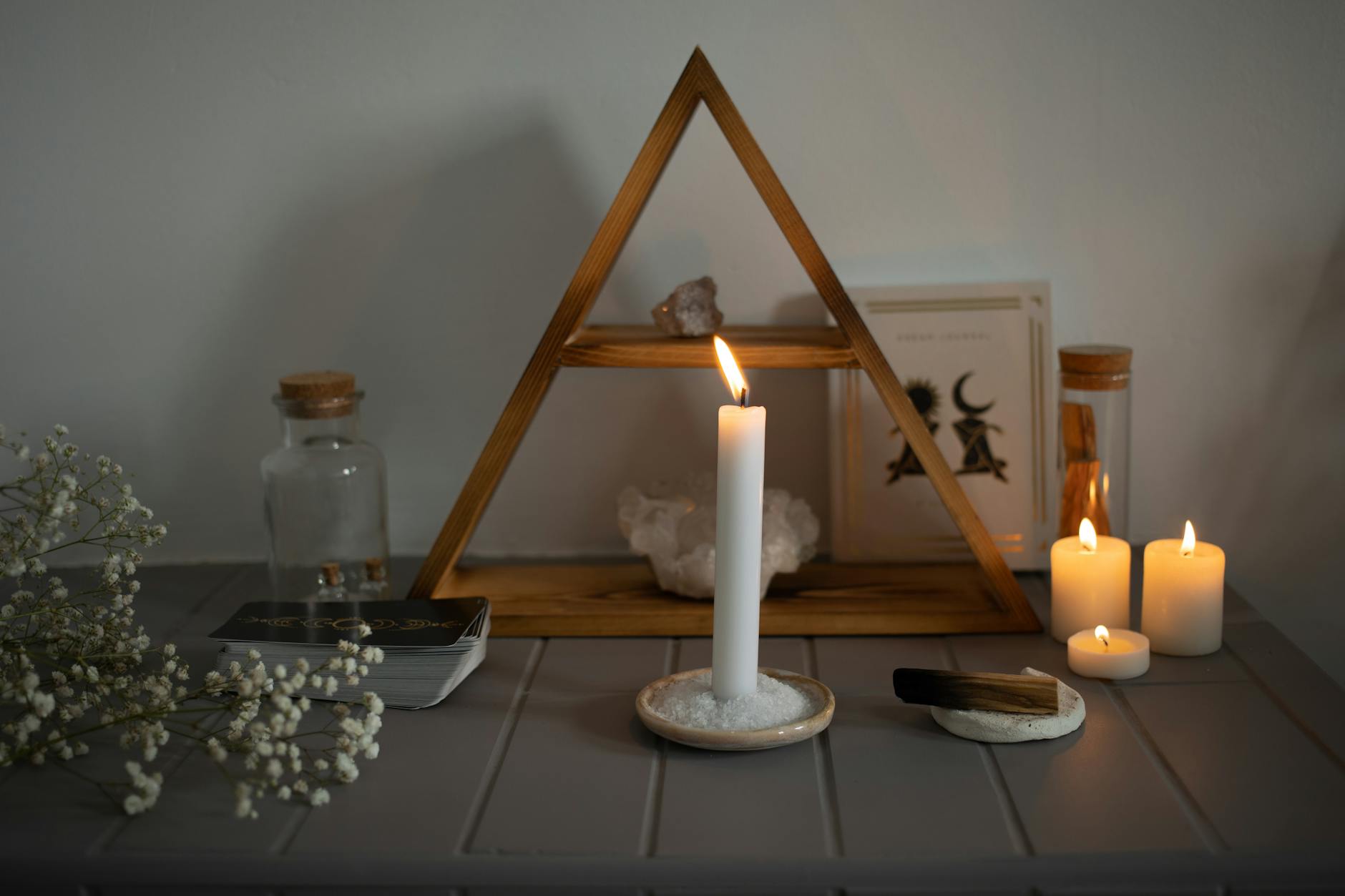
Setting an intention can also mean creating a ritual or ceremony around your meditation practise. For example, you could light a candle or burn incense before you meditate to signal the start of your practise. This can help create a sense of sacredness and importance around your practise, making it easier to maintain over time.

Step 2: Choose a Time and Place

The second step in developing a daily meditation practise is to choose a set time and place for your practise. This helps to develop a routine and makes it easier to maintain the practise over a longer period of time.

When choosing a time for your practise, consider your schedule and choose a time that works best for you. Some people prefer to meditate first thing in the morning, while others find it helpful to meditate during their lunch break or in the evening before going to bed. The key is to choose a time that is realistic and sustainable for you.

When choosing a place for your practise, pick a quiet, comfortable space that is suitable for meditation. This could be a spare room in your home, a quiet corner in your office or a park bench in a nearby park. Whatever place you choose, make sure it is one where you feel calm and relaxed.

Step 3: Start Small and Build Consistency

The third step in developing a daily meditation practise is to start small and develop consistency over time. It is better to meditate for a few minutes every day than for an hour once a week.

Start with a realistic goal, such as five minutes of meditation a day, and increase the duration of your practise over time. This encourages consistency and makes it easier to stick with the practise in the long term.

To encourage consistency, set reminders or use a meditation app to track your progress. You could also consider keeping a diary to reflect on your experience and document your progress over time.

Step 4: Experiment with Different Techniques

The fourth step in developing a daily meditation practise is to experiment with different techniques. There are many different meditation techniques and it is important to find one that suits you.

Some popular meditation techniques are mindfulness meditation, loving kindness meditation and body scan meditation. Each of these techniques requires you to focus your attention in a different way, and it is important to experiment to find the technique that suits you best.

Try different techniques and see how they feel. You may find that you enjoy one technique more than others, or you may find that different techniques work better at different times of the day or in different situations.

Step 5: Seek Support and Accountability

The fifth and final step in developing a daily meditation practise is to seek support and accountability. Meditation can be a solitary practise, but it is important to seek support and accountability to stay motivated and consistent.

One way to seek support is to join an online meditation community or attend a local meditation group. These communities provide a space where you can connect with others who are also meditating, share your experiences and receive guidance and support.

Another way to find support is to find an accountability partner. This can be a friend, family member or colleague who is also interested in developing a daily meditation practise. You can regularly update each other, share your progress and encourage and support each other.

There are also many meditation apps that offer guided meditations, progress tracking and other features to help you stay on track with your practise. Some of the most popular apps include Headspace, Calm and Insight Timer.

In summary, developing a daily meditation practise requires intention, consistency and support. By setting a clear intention, choosing a consistent time and place, starting small and building consistency, experimenting with different techniques, and seeking support and accountability, you can develop a regular meditation habit that will promote your overall well-being. Remember that developing a daily meditation practise is a journey, and it is important to be patient and compassionate with yourself along the way. There may be days when your practise feels difficult or uncomfortable, and that is okay. What matters is that you stay true to your intention and continue to show up for your practise every day. Meditation is an effective way to reduce stress, increase concentration and improve your overall well-being. By following these five steps, you can develop a daily meditation practise that will benefit your physical, mental and emotional health.


In The Path of Mindful Living: A 21-Day Mindfulness Companion, I lead you through a series of self-guided mindfulness exercises and show you how to bring mindfulness into your daily life. Readers of my blog can download the workbook and pullout charts for only £6.

The Many Benefits of Meditation

When you meditate, you learn to become more aware of your thoughts, feelings, and behaviours, observing them more clearly and becoming more aware of the further thoughts, feelings, and behaviours that may arise in you as a result. There are many different meditation techniques. Some techniques help you to observe your thoughts or emotions, others help you to better understand your reactions, and still others help you to become aware of the power of the mind and the reactions of the mind. Some meditation techniques simply help you to relax and become aware of what is going on inside you. With all these techniques the same thing happens: you learn to observe what is happening in the present moment and what is going on inside you, and you can learn to accept yourself and your reactions as they arise in you. When we are aware of our automatic reactions, we have the opportunity to create new ways of being and new ways of reacting that bring more compassion and love into our lives.

You have probably heard that meditation can make you more relaxed and bring about a sense of peace and well-being within you, that it helps you sleep better, or that it makes you more productive. Research has shown that meditation can help reduce stress and improve your concentration, focus and memory, and that the practise of meditation can help you become more aware of your thoughts, feelings and reactions and how these thoughts, feelings and reactions can affect your physical body. If you have suffered from depression or are currently depressed, meditation can help you develop new ways of being and perceiving the world around you. If you struggle with addictions, meditation can help you to live in the present moment and learn to let go of old patterns and find new ways of being. Meditation can help you become more aware of your moods and learn to respond to them more positively. For example, if you struggle with feelings of guilt and shame, meditation can help you become more aware of your thoughts and feelings and learn to have compassion for yourself and develop a better understanding of the moods you experience and how those moods affect your actions. (If you are interested, I will be releasing an online course this summer that covers all the details of the scientific research on mindfulness and meditation).

Meditation is about learning to control and focus your attention. When you meditate, you have the opportunity to become more aware of and observe your thoughts, feelings and behaviours. You can learn to accept them when they arise and be with them by observing the thoughts and feelings and accepting them as they are. You can also learn to be more compassionate and understanding, and you can learn to be kinder to yourself. Through meditation you learn to live moment to moment, you learn to observe your thoughts, feelings, and behaviours, and you learn to understand that while these thoughts, feelings, and behaviours may have influenced the past, they no longer have the power to influence the present or the future. Past perceptions and destructive ways of thinking and behaving, even those we have developed over many years, can be changed.

Meditation requires practise. It takes time to learn the techniques and you will often need to return to meditation to practise and gain the skills you need to become more aware of your thoughts, feelings and behaviours. You may feel that you are only aiming for one change through meditation, but you will find that you are making several changes through meditation. For example, you may learn to do more for the people you love, you may learn to act more positively, or you may become more aware of how your body is affected by your thoughts and feelings. You can also learn to handle certain situations better; you can reduce some of the negative effects of your thoughts and emotions and you can understand how powerful the mind is. Through meditation we can learn to let go of old habits and become more aware of our thoughts, feelings and behaviours and the way these thoughts, feelings and behaviours can affect our physical body and our emotional, mental, and spiritual well-being. We can learn to let go of the way we have been reacting to these thoughts and feelings. We can learn to let go of the way we have judged ourselves and others and learn to bring more compassion and more love into our lives.

How to Create Your Perfect Meditation Space

Meditation spaces are not always rooms in the true sense of the word; often they are just quiet corners in your house or flat where you can retreat to reflect, relax, and meditate. Meditation spaces are places where you can unwind at the end of a stressful day and collect your thoughts the beginning of a busy week. This can be in your living room or bedroom, in your garden, or on the beach. In the midst of modern life, the ability to create space for meditation can be the key to positive change. When we are able to create a space for ourselves – a quiet space, a space to gather our thoughts, a space to relax – we become more balanced, more at peace, and better able to stay in the present moment.

It is important to slow down and take time to collect your thoughts and relax your mind.
Finding and creating a quiet space for meditation is an essential part of meditation and key to a positive lifestyle. Make sure you have enough space around you. You do not want to feel too crowded. The space should be conducive to meditation and provide you with the conditions that supportive for your complete relaxation.

No matter how small your home is, it is possible to set up a meditation space where you can find peace and quiet. If you have a garden, a good place to meditate would be on the patio or in the garden. If you live in a flat, studio, or small house, a quiet corner or even the bathroom can work perfectly. Some people prefer a meditation space in the kitchen or in their bedroom. The most important thing is to find a space that suits you and your need for a peaceful meditation experience and for a quiet and relaxed environment.

It is also important to look for a space that is free from clutter such as papers, books, or other items that might distract you. The purpose of meditation is to develop calmness and relaxation, which allows us to be mindful of our thoughts, emotions and physical sensations, so clear the space around you and make it as clutter-free as possible. Make sure your meditation space is a comfortable temperature. Your body temperature drops when you meditate and you need to avoid drafts as they can make your meditation unpleasant. When you meditate, find a light environment that suits your needs. If you find the light too bright, try candlelight.

Your meditation room does not need much in the way of furniture. You can use a small cushion or chair to sit on while you meditate. If you sit on a chair, make sure it is comfortable and you can easily sit upright. If you choose to meditate on the floor, make sure you have appropriate padding to support you. One of the main reasons people choose meditation cushions is because they allow you to sit upright and keep your back straight, which makes meditation easier. There are conventional meditation cushions and stools, but all you really need is a throw pillow that raises your hips above your knees for a more comfortable sitting posture. The cushion should be comfortable and supportive, not too soft to give you the support you need, but not too firm or hard either. There are many people who prefer to meditate lying on the floor, bed or couch and they find this position much more comfortable and relaxing. Experiment with different positions and find out which one works best for you.

You do not need anything to meditate, but to make your meditation space your own, you might want to invest in candles or incense, or perhaps a potted plant or some flowers. Some people like to use incense because it creates the right atmosphere and helps them relax. Whatever you choose, make sure it suits you and does not just look nice. You can make your space as simple as you like, but if you set it up to suit you and your needs, you’ll be more likely to use it.

Whether you prefer to meditate in the early morning or in the middle of the night, you need to set up your meditation space so that you can really feel comfortable there. If you meditate in the evening or at night, prepare your body by spending some time in the shower or bath This will help you relax and be ready for the meditation experience. It also helps you to relieve the stress of the day so that you can enter your meditation room with a calm and relaxed state of mind. Before you sit down, go slowly and pause a few times to allow your body and mind to adjust to the new environment. This will help you to experience the moment with a minimum of inner turmoil. It will help you prepare your mind, bringing your body and mind into harmony.


Download your free 21-day course in The Path of Mindfulness. In this life-changing 21-day mindfulness journey, Dr Allan Kilner-Johnson guides you through a series of self-guided mindfulness exercises and shows you how and when to bring mindfulness into your daily life. 

Calming Stress Through Meditation

Photo by Kat Smith on Pexels.com

Stress is endemic in our modern world. It determines the way we work and live, the way we eat and sleep, the way we walk and sit, the way we breathe and rush from one activity to the next. Stress has become such a part of our modern existence that it almost feels natural. But when people are stressed, their bodies break down, their joints and muscles tighten, their heartbeat speeds up, and their blood pressure rises. While some forms of short-term stress can motivate and encourage us, long-term chronic stress is not good for our bodies or our minds.

The fight or flight response is a natural reaction that occurs when the body perceives a threat to its survival, a threat to its physical well-being or to its psyche. The body responds to the perceived threat, often by increasing heart rate and blood flow. This reaction is unconscious and occurs without the body being aware of what is happening. The fight or flight response is a reaction pattern that has been passed down through countless generations and is essential for survival. Our genetic code is the way it is because it helped our ancestors survive.

But the fight or flight response is only really useful when it is working properly. When the body is too stressed or overreacts, it can lead to physical symptoms such as headaches, palpitations and insomnia. In addition, stress can lead to anxiety and depression. To reduce stress and anxiety, people can adopt practises that help reduce perceived threat, such as meditation and yoga. These practises help prevent the fight or flight response, which can help improve mental health.

Mindfulness meditation and yoga are great ways to control the fight or flight response and can actually improve the body’s natural ability to deal with stress and anxiety. Mindfulness meditation can be a great way to address the fight or flight response and thus gain control over your emotions. In mindfulness meditation, you focus on your breath to calm yourself while being aware of your emotions. Many people find that this is a good way to recognise the physical symptoms of their emotions, such as tension or stress.

In the General Adaptation Syndrome model developed by Hans Selye, there are three phases that people go through when they are stressed. The first phase is the alarm response, in which the body perceives a threat to its survival. Blood chemistry changes, and heart rate and blood pressure increase. The second phase is the acute stress response, and the third phase is the exhaustion phase. This is the moment when the body begins to break down due to the stress response and is no longer able to withstand further stress.

Meditation is a practise of awareness, and the ability to be aware of the physical changes that occur when a person is stressed and begin to lower a person’s stress levels. Meditation helps to relax the body, calm the mind, and create balance within the body. By calming the mind, the things that are seen as threats (that is, the things that cause stress) become easier to manage. But reducing stress is not the end of the exercise. Since stress can make one vulnerable to illness, reducing stress can help the person stay healthy.

Daily life is a constant flow of information that washes over us and stops only when we consciously want it to. The mind detaches from the world around it, withdrawing from the outside world and withdrawing from itself. Our thoughts and feelings become more abstract, while our experiences become less concrete. The self is cut off from the ‘everyday’ of the outside world and our experiences become detached from the self. The next thing we know, we feel completely overwhelmed by stress and cannot see a way out. One of the most important things we can do to find a way out of the stress and anxiety trap is to become more aware of our daily experiences. Mindfulness meditation is a way to understand the mind and our own experiences. By learning to be more mindful and aware of the thoughts and feelings that arise within us, we can find a way out of the stress and anxiety cycle.


Download your free 21-day course in The Path of Mindfulness. In this life-changing 21-day mindfulness journey, Dr Allan Kilner-Johnson guides you through a series of self-guided mindfulness exercises and shows you how and when to bring mindfulness into your daily life.