
Part of the challenge we face as creatives is what feels like a constant pressure to come up with new ideas. We may feel compelled to continuously produce original works and keep pace with the ever-evolving landscape of our fields. This pressure can sometimes lead to creative burnout, a feeling of being stuck in a cycle of expectation and output. It’s important to recognize that creativity also requires rest, reflection, and rejuvenation. Sometimes, stepping back from the relentless pursuit of new ideas can actually lead to a fresh perspective and renewed inspiration. Taking the time to explore different experiences, engage in unrelated activities, or simply take a break can often spark the innovative thinking needed to push creative boundaries.
Julia Cameron often talks about how important it is for the creative process to ‘fill the well’. This concept entails actively seeking inspiration, experience, and knowledge to support our creative endeavors. According to Cameron, creativity thrives in a dynamic interplay between exploration and expression, making it crucial for us to engage in activities that replenish our well of creativity. This may involve immersing ourselves in diverse art forms, exploring nature, engaging in thought-provoking conversations, or delving into various cultural experiences. By continuously filling our well with new and stimulating input, we enhance our ability to generate fresh and innovative ideas, setting the stage for meaningful and impactful creative expression.
However, it’s equally important to recognise when it’s time to move from filling the well to fishing in it. This transition signifies the moment when we must delve into our accumulated ideas, influences, and inspirations and break through the inertia to start creating. By tapping into the wealth of experiences and knowledge we have gathered, we can breathe life into new projects, harnessing our creative energy to bring our visions to fruition.
It’s not uncommon for creatives to underestimate or overestimate just how much new information or external inspiration they need before getting down to work, what I call the Filling-Fishing Fallacy. This phenomenon can occur when creators feel like they need to continuously fill their minds with new ideas, never feeling fully prepared to start their projects. On the other hand, some may become so engrossed in seeking external inspiration that they never actually dive into the creative process. Finding the right balance between gathering new insights and diving into the work can be a challenge for many, but it’s an important aspect of the creative process to master.
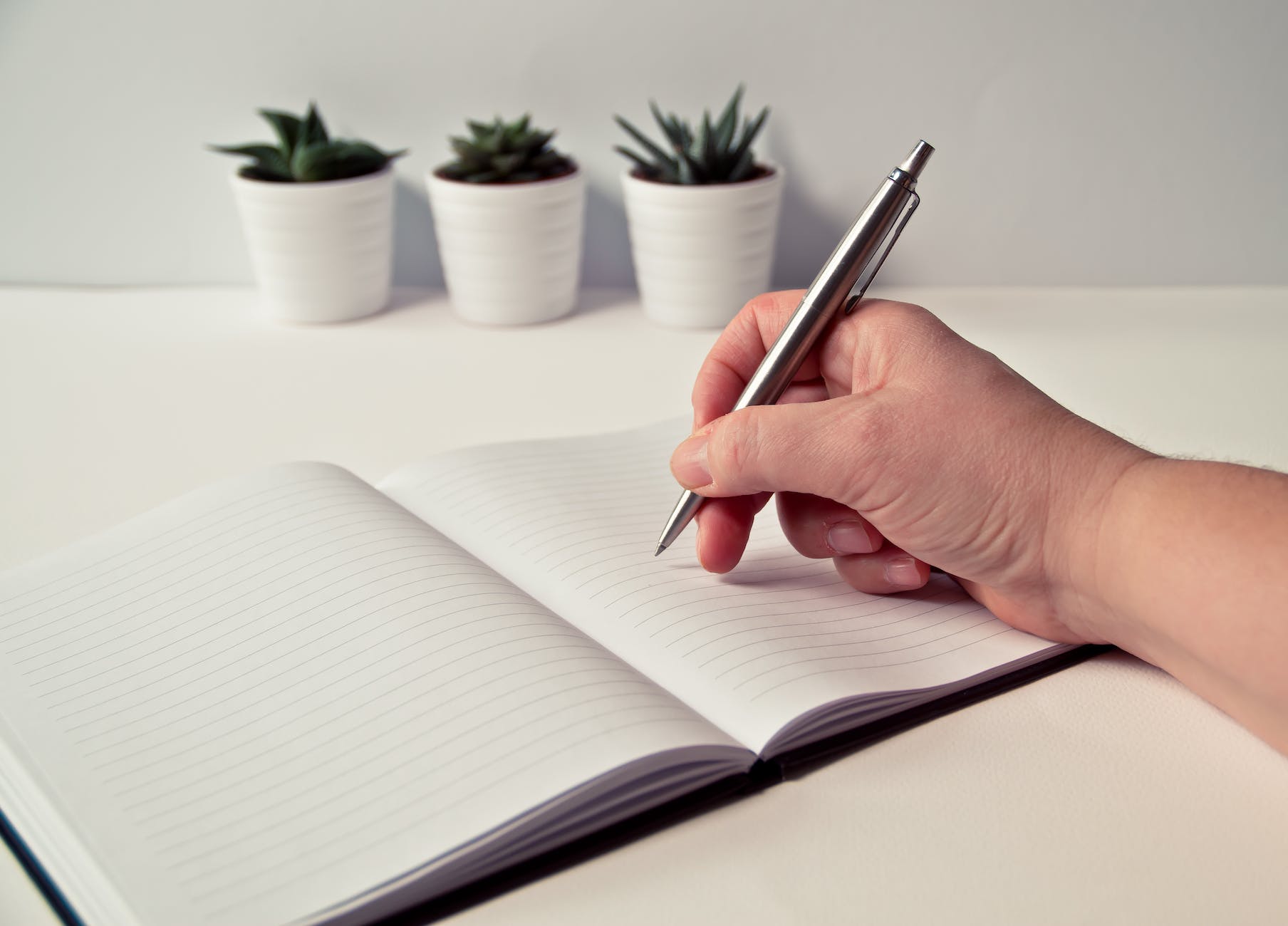
Sometimes we just need to start writing, start painting, start moving, or start creating. Sometimes we’ve already consumed enough inspiration to get us going. Sometimes we need to stop filling the well and start fishing in it.
It’s a common misconception that we need to inundate ourselves with new information or inspiration before we can even begin the creative process. The truth, however, is that creativity isn’t just about the accumulation of information, but the delicate balance between ‘filling the well’ and fishing in it. This delicate balance involves not only seeking new input but also allowing time for reflection and synthesis. It’s the interplay between absorbing new ideas and allowing them to percolate within our minds, creating a rich reservoir of thoughts that can be drawn from when the time for creativity comes. The process of creativity is not solely about input, but rather the alchemical process that occurs when we blend new knowledge with our unique perspectives and experiences. Therefore, nurturing creativity involves both the acquisition of new information and the cultivation of a mental landscape conducive to the generation of original ideas.
By learning to distinguish between when we need to fill the well with new experiences, inspiration, and knowledge, and when we should start fishing in it, drawing from the resources we have gathered, we can optimise our creative process and avoid unnecessary burnout. Taking the time to nurture our creativity through exploration and learning, and then knowing when to harness that creativity by actually producing work, allows us to maintain a sustainable and fulfilling creative practice.
As I writer I used to spend hours scrolling through social media, bookmarking articles and watching videos for research and inspiration. Despite the abundance of material, I found it increasingly difficult to translate this flood of information into tangible creative results. What I didn’t then realise is that the act of creating requires not only input, but also processing and synthesis. I had to learn to take the time to think about and digest the information I’d gathered, and then to figuratively fish from this well of inspiration.
Many of us fall into the trap of overfilling our creative wells, believing that more information and inspiration will inevitably lead to better ideas. However, this can quickly become overwhelming and counterproductive. Overfilling the well can lead to analytical paralysis and creative stagnation. It’s important to find a balance between input and output to avoid getting trapped in this cycle. Taking the time to reflect and distill key insights from the multitude of inputs can lead to more focused and impactful creative output. Embracing moments of quiet and stillness can also allow the mind to process and connect the dots, resulting in innovative ideas and solutions. So, instead of overfilling the well, it’s essential to nourish it with a diverse range of meaningful inputs and allow the space for deep, uninterrupted reflection.
By understanding the signs of overfilling, such as feeling overwhelmed, mentally drained, or uninspired, we can proactively reclaim our creative energy and channel it into productive endeavours. Recognising the importance of balance and the need to differentiate between gathering inspiration and actively creating can empower us to break free from the cycle of overconsumption that the modern world often pushes us toward. Embracing moments of quiet reflection, engaging in activities that nourish our creativity, and setting boundaries around our time and energy can further support this shift towards a more sustainable and fulfilling creative practice.
Creativity isn’t a finite resource to be hoarded, but a dynamic force that thrives on movement and expression. When we embrace this mindset, we unlock endless possibilities for growth and innovation. By shifting our focus from accumulation to action, we open the door to new experiences and perspectives. This shift allows us to explore uncharted territories and break free from the confines of routine, fostering a sense of adventure and discovery. As we engage with our creative impulses, we not only fuel our own passions but also inspire and uplift those around us. It’s through this active engagement with creativity that we can truly harness its transformative power and make a meaningful impact on the world around us.
Once we have filled our wells with inspiration and ideas, it’s time to move from passive consumption to active creation. This is where the magic happens — the act of fishing in the well of creativity. Fishing in the well allows us to tap into our reservoir of ideas and insights and transform them into tangible works of art, innovations or forms of expression. This is the phase where inspiration meets action, where ideas are brought to life.
What characterises this phase isn’t only the act of creation itself, but also the depth and richness of the material from which we are able draw. Fishing in the well isn’t just about producing something, it’s about engaging with our creative resources in a meaningful way. It’s about breaking through the inertia, the uncertainty, and, yes, sometimes the fear, to begin to create.
It’s about trusting the depth of our inspiration and allowing intuition and curiosity to guide us. When we allow ourselves to fish in the well, we can turn ideas into reality and begin to unleash our full potential. Creativity isn’t a linear process, but an iterative one, built up piece by piece over time. As we navigate between filling the well and fishing in it, we should embrace the fluidity of the creative journey and trust in our ability to navigate through its ebbs and flows.
During the Renaissance, scholars and artists developed a profound appreciation for the intricacies of the natural world, leading to the creation of spaces known as kunstkammers or studiolos — personal rooms meticulously curated and filled with an array of treasures, curiosities, and sources of inspiration. These rooms served as the physical embodiment of the creative process, providing a sanctuary for exploration, reflection, and the convergence of expression. Within these carefully crafted environments, individuals fostered a deep connection with their work, surrounded by objects that ignited their imagination and encouraged artistic experimentation. The kunstkammers and studiolos symbolized the fusion of art, science, and intellect, serving as testimony to the multifaceted nature of creativity during this remarkable period in history.
The cultivation of our own art chamber — whether physical or metaphorical— is a tangible reminder of the interplay between filling the well and fishing in it. It is a sanctuary for creativity, a place where ideas can flourish and inspiration can unfold. What makes the art chamber special is not only the physical components, but also the intention and energy inherent in it. It’s about understanding the symbiotic relationship between inspiration and expression and creating a sanctuary for our creative endeavours. Our environment has a profound impact on our creative process and mindset. By consciously designing a space that encourages inspiration and productivity, we can optimise our creative potential and enhance our overall wellbeing.
The Filling-Fishing Fallacy serves as a powerful metaphor for the creative process, illuminating the intricate interplay between replenishing our well of creativity and actively engaging with the ideas and concepts within it. It prompts us to consider the dangers of overfilling the well, leading to stagnation and an overflow of undirected thoughts, thus hindering the creative process. Conversely, by embracing the act of “fishing” in our creative well, we learn to navigate the depths of our creativity, selecting and refining the most compelling ideas. This process allows us to cultivate our own unique art chambers, honing our creative intuition and enabling us to harness the full potential of our imaginative energy. Through this intentional and purposeful engagement with our creative resources, we are able to transcend previous limitations and reach new dimensions of inspiration, innovation, and expression.