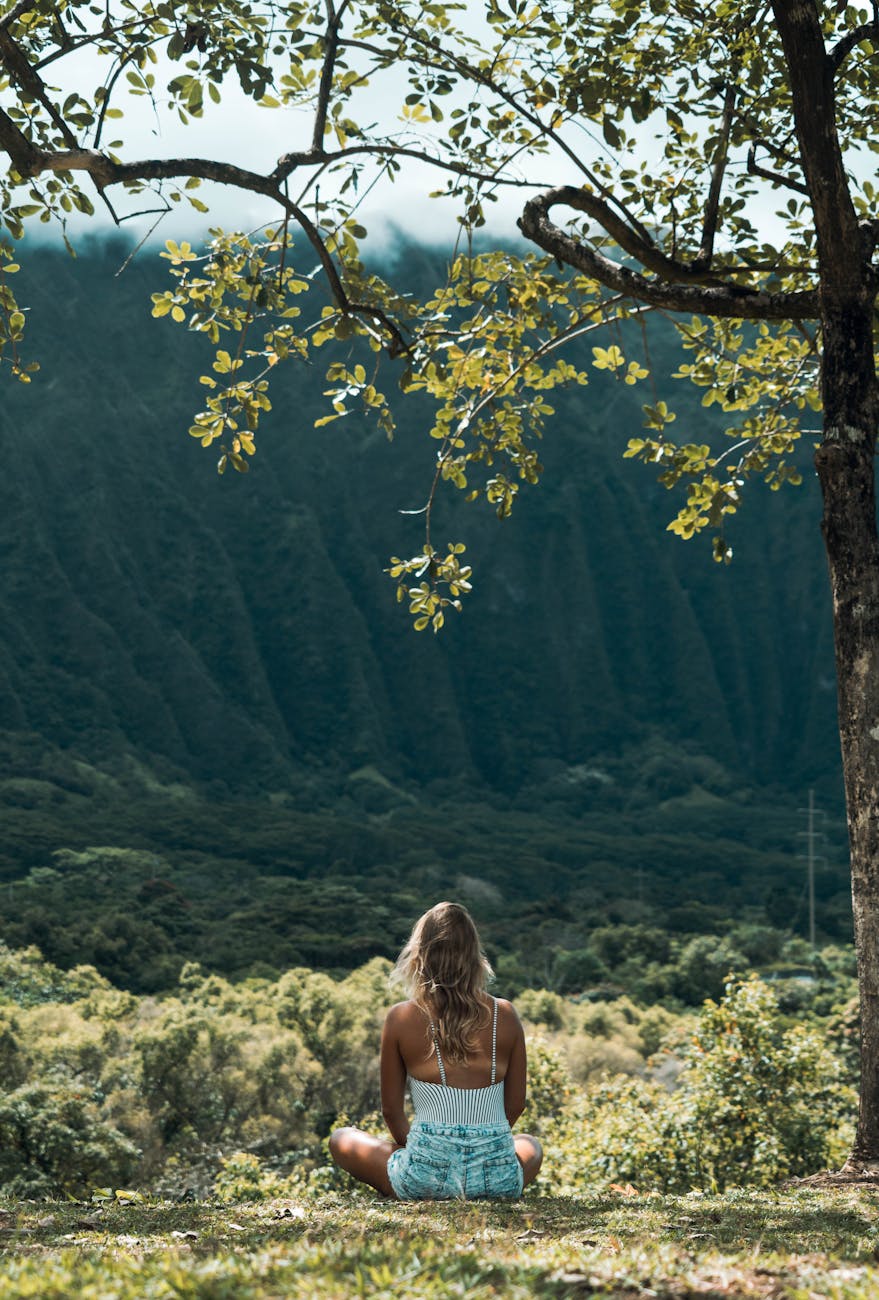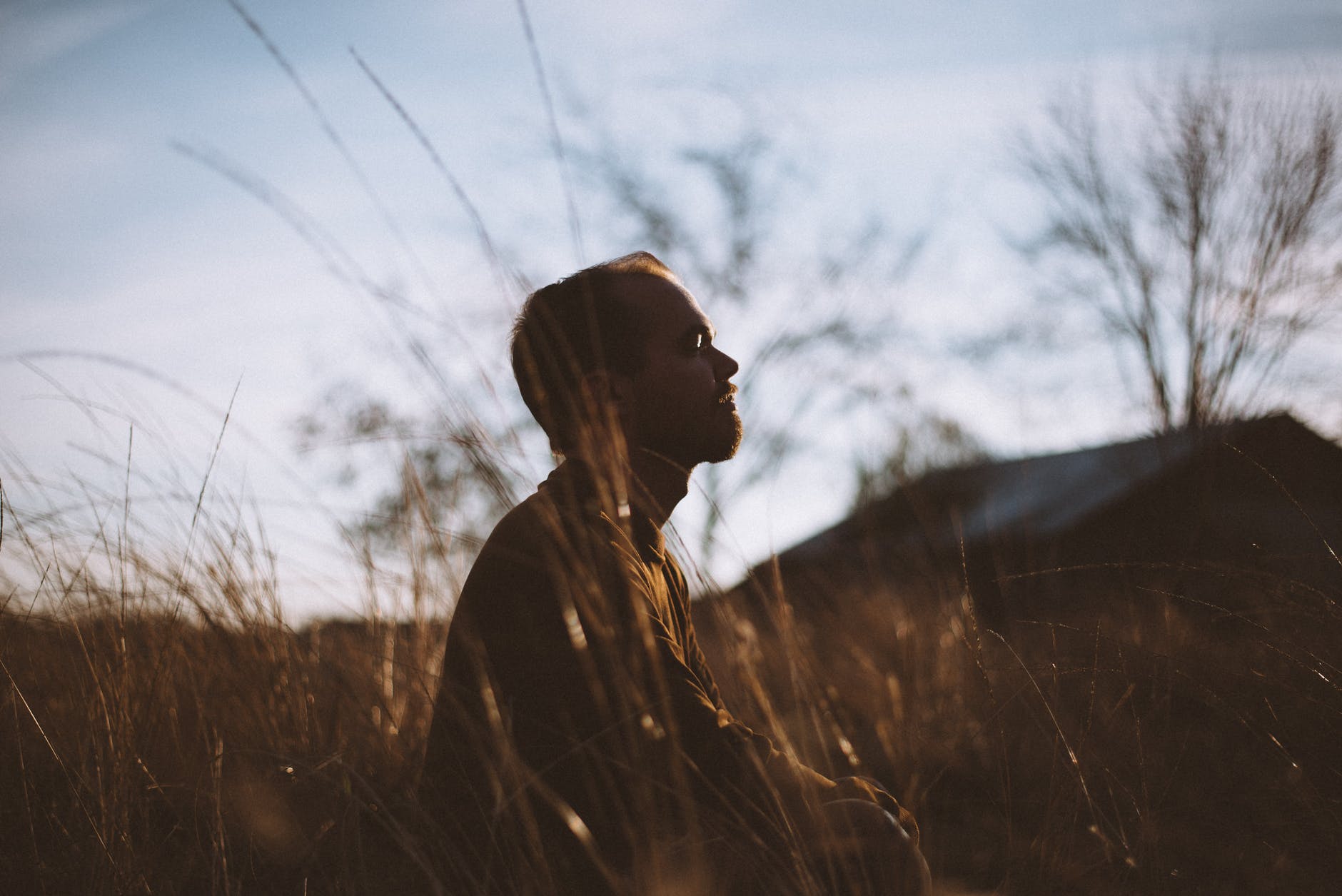

Mindfulness for creative professionals is not merely something that someone does; it is a journey that unlocks the door to deeper inspiration, clarity, and innovation. Through this introspective approach, individuals come to realize that creativity flourishes not in chaos, but in the calm spaces created by mindfulness. Through the integration of these practices into daily routines, creative professionals can not only enhance their individual artistry but also foster collaboration and synergy in their projects, ultimately leading to innovative outcomes that reflect a harmonious balance of mind and heart.
The Muse of Mindfulness
Mindfulness, in its purest form, is the art of paying deliberate, non-judgmental attention to the present moment. For creative professionals, this means stepping away from the constant barrage of deadlines, critiques, and the inner critic, and instead allowing the raw essence of creativity to emerge unencumbered. In this moment of quiet, the creative takes a deep, intentional breath—a pause that is both a beginning and a release. It is in these moments of mindful presence that the inner creative muse awakens, offering insights that transcend the ordinary and ignite the imagination.
Research in neuroscience and psychology has shown that mindfulness can significantly enhance cognitive flexibility—the ability to shift perspectives and generate innovative ideas. Practices such as meditation have been linked to improved focus, emotional regulation, and even structural changes in the brain that favor creative thinking. Pioneers like Jon Kabat-Zinn, through mindfulness-based stress reduction (MBSR), have demonstrated that the practice can quiet the mind, reduce anxiety, and foster an environment where novel ideas can flourish.
For creative professionals, mindfulness is a bridge between the analytical and the intuitive. It allows the mind to move freely between logical problem-solving and abstract, artistic expression. This balance is essential, whether you are a painter wrestling with color theory or a writer crafting a narrative that captures the human experience.
Mindfulness as a Creative Ritual
For many creative professionals, the artistic process is not just a task but a ritual—a sacred practice that connects the inner self to the external world. Mindfulness can serve as a ritualistic prelude to creativity, a way to transition from the everyday noise into a state of receptive calm.
Morning Meditations for Artists:
Starting the day with a brief meditation can set the tone for creative expression. Whether it’s five minutes of silent breathing, a mindful walk through nature, or a journaling session that reflects on dreams and aspirations, these rituals ground the artist in the present moment. As the mind settles, the floodgates of creativity open, revealing ideas that have long been buried under the weight of routine thoughts.
Mindful Observation:
Another powerful technique is mindful observation. This involves engaging with your environment with full sensory awareness—listening to the rustle of leaves, watching the interplay of light and shadow, or simply savoring the aroma of freshly brewed coffee. These observations can spark new ideas, as they encourage the mind to notice beauty and detail in the everyday. An illustrator might sketch the intricate patterns of a butterfly’s wing, or a writer might find inspiration in the rhythm of a bustling street corner.
Overcoming Creative Blocks with Mindfulness
Creative blocks are a common adversary for those in artistic fields. They often arise when the mind is cluttered with self-criticism, fear of failure, or the relentless pressures of commercial expectations. Mindfulness offers a compassionate counterpoint to these challenges by fostering an attitude of acceptance and curiosity.
The Practice of Non-Judgment:
At the heart of mindfulness is the practice of non-judgment. For the creative professional, this means embracing the messy, sometimes imperfect process of creation without the burden of self-criticism. When a writer hesitates at the blank page or a sculptor hesitates before a rough block of marble, mindfulness reminds them that every stroke, every mark, is part of the unfolding creative journey. By acknowledging each moment as it is—without labeling it as ‘good’ or ‘bad’—creatives can bypass the internal barriers that stifle creativity.
Mindful Breaks:
In the midst of a creative marathon, taking short, mindful breaks can rejuvenate the mind. A quick breathing exercise or a few minutes of silent reflection can clear away mental clutter and restore focus. Studies have shown that even brief periods of mindfulness can improve concentration and reduce stress, thereby paving the way for a renewed burst of creativity.
Practical Strategies for Integrating Mindfulness into the Creative Process
Implementing mindfulness into your creative practice doesn’t require a complete overhaul of your routine—it can be woven seamlessly into the fabric of daily life. Here are some practical strategies to consider:
- Set a Daily Intention:
Begin your creative session by setting an intention. It could be as simple as “Today, I will embrace every idea, no matter how unconventional,” or “I will explore the beauty of imperfection in my work.” This intention acts as an anchor, guiding your focus and opening your mind to new possibilities. - Create a Mindful Workspace:
Design a creative space that inspires calm and focus. This might involve decluttering your studio, incorporating natural elements like plants or soft lighting, or even playing gentle, ambient music. A mindful workspace is a sanctuary where distractions are minimized and the mind is free to wander, explore, and create. - Incorporate Mindfulness Breaks:
Schedule regular mindfulness breaks into your creative process. Whether it’s a few minutes of deep breathing, a short walk, or a meditation session, these breaks allow your mind to reset and reconnect with your inner creative flow. - Reflect Through Journaling:
Keeping a mindfulness journal can help track your creative progress and emotional journey. Write down thoughts, insights, and observations from your mindful practices, and notice patterns or recurring themes that emerge in your art. Over time, this reflective practice can reveal the subtle ways in which mindfulness has transformed your creative process. - Join a Mindfulness Community:
Connect with other creative professionals who share a passion for mindfulness. Workshops, retreats, and online forums provide spaces to exchange ideas, share experiences, and learn new techniques. These communities foster a supportive environment where creativity and mindfulness mutually reinforce each other.
The Science Behind Mindful Creativity
Modern research continues to uncover the profound impact mindfulness can have on the creative brain. Neuroimaging studies reveal that regular mindfulness practice can alter brain activity in regions associated with attention, emotion regulation, and divergent thinking—the type of thinking that underpins creativity. For instance, studies have found that mindfulness meditation increases activation in the prefrontal cortex, a region vital for planning, decision-making, and problem-solving.
Furthermore, mindfulness can reduce activity in the brain’s default mode network (DMN), which is often linked to self-referential thoughts and the tendency to ruminate. By quieting the DMN, mindfulness creates a mental space where the mind is less preoccupied with fears, doubts, and distractions, allowing the creative spark to ignite more freely. These scientific insights not only validate the age-old practices of mindfulness but also underscore its potential to serve as a catalyst for artistic innovation.
Cultivating a Lifelong Creative Practice
The journey toward unlocking your creative potential through mindfulness is not a destination but an ongoing practice—a lifelong dialogue between your inner self and the ever-evolving tapestry of the creative world. It calls for patience, persistence, and a willingness to explore the unknown. Every mindful breath, every moment of stillness, is an invitation to dive deeper into the wellspring of your creative essence.
Over time, as mindfulness becomes an integral part of your creative routine, you may notice subtle yet profound shifts in your artistic expression. Ideas that once seemed elusive now flow with greater ease, and the boundaries between your inner world and the external canvas blur, allowing for a seamless expression of your authentic self. It is a journey marked by continuous discovery, where each mindful practice adds a new layer to the rich tapestry of your creative life.
Embracing the Paradox of Art and Mindfulness
Creativity is, by its nature, a paradox—a dance between structure and spontaneity, discipline and abandon. Mindfulness complements this paradox perfectly, offering a way to navigate the tension between order and chaos. When you allow yourself to be fully present, you tap into a space where the rigid lines of expectation dissolve, leaving behind the raw, unfiltered essence of creativity. It is here, in this sacred liminal space, that true artistic magic happens.
Consider the designer who, by embracing mindfulness, learns to see not just with the eyes but with the soul. Every work becomes a deliberate act of creation that honours both the process and the outcome. Every color, every texture, whispers secrets of a deeper truth—a truth that is accessible only when the mind is quiet and the heart is open.
A Vision for the Future of Creative Mindfulness
As creative professionals continue to navigate an ever-evolving landscape defined by rapid technological advancements and shifting cultural paradigms, mindfulness stands as a timeless anchor—a practice that grounds the creative spirit in authenticity and purpose. The future of artistic expression may well be shaped by those who embrace mindfulness, allowing them to transcend the noise and chaos of modern life and tap into the wellspring of genuine inspiration.
Mindfulness for creative professionals is an invitation—a call to reclaim the space within, where the seeds of artistic potential lie dormant, waiting to be nurtured by the gentle touch of awareness. It is a practice that honors the delicate interplay between the inner world of imagination and the outer realm of expression. Through mindfulness, you unlock not just your artistic potential but a deeper connection to your authentic self—a self that thrives in the beauty of each moment, unfettered by doubt or distraction.
As you embark on your own mindful journey, remember that each breath is an opportunity to reconnect with the muse within. Whether you are a writer seeking clarity in your narrative, a painter yearning for a fresh burst of color, or a musician in search of the perfect melody, mindfulness offers a path toward a more inspired, creative life. Embrace the practice, let it guide you, and discover the limitless possibilities that await when you truly listen to the whispers of your inner creative spirit.
Unlock your potential with mindfulness! Discover how a few mindful moments can help spark breakthrough, overcome blocks, and transform your personal and professional journey. Subscribe to my blog today for more on the art of being present.

If you want to start putting these ideas into action, you can sign up for Integrative Meditation (Level 1). This course represents the culmination of years of learning, practice, and personal growth. Integrative Meditation is a comprehensive framework designed to enhance your mental and emotional well-being. It draws on Mindfulness-Based Cognitive Therapy (MBCT), positive psychology, neuroscience, Acceptance and Commitment Therapy (ACT), journaling, and breathwork to support you in reducing stress, enhancing focus, building emotional resilience, and discovering your true self.