Overcoming Procrastination in Creative Practice

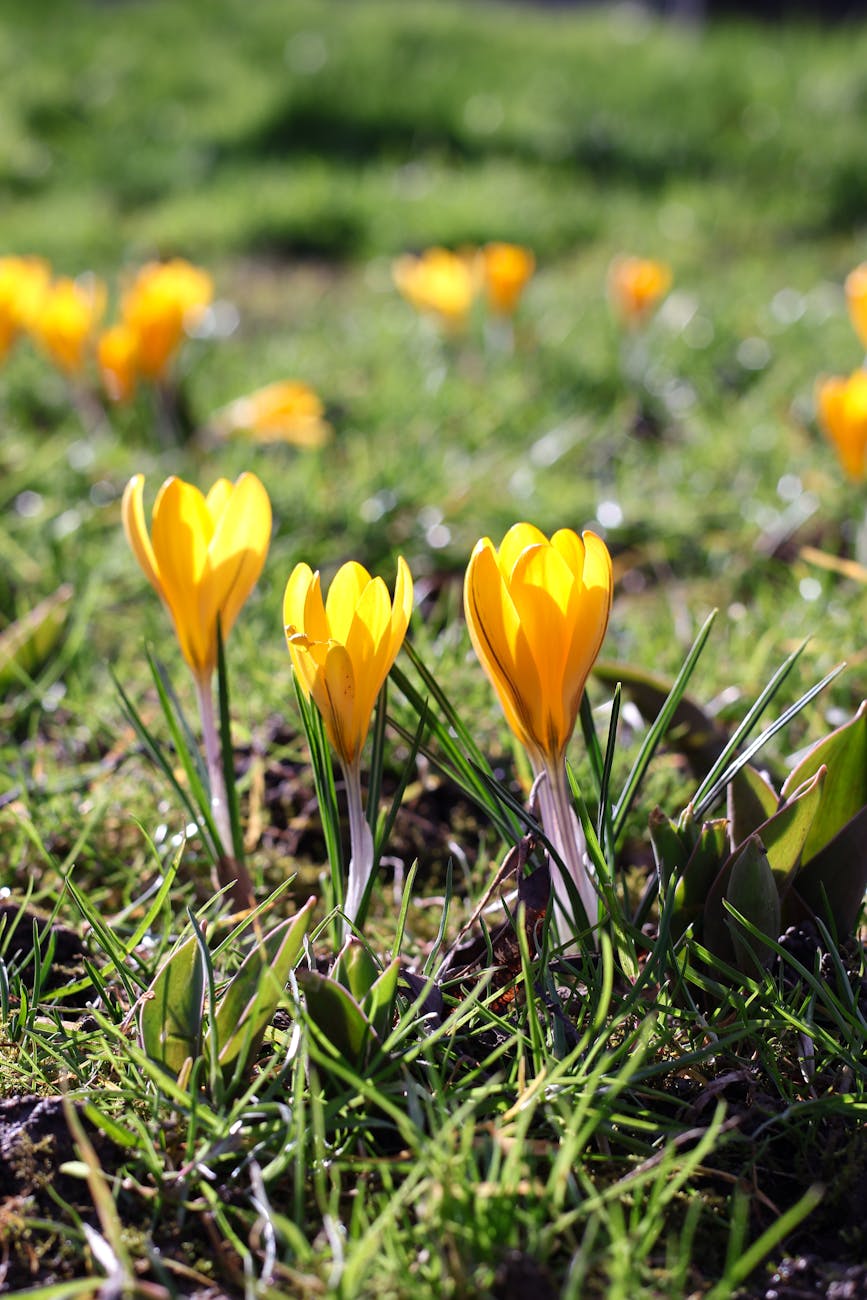
Photo by Lora Rikky on Pexels.com

Creative practice is one of the few places where procrastination can masquerade as discernment.

In most areas of life the difference between the two is fairly easy to spot. If you delay replying to an email for three weeks, you are probably not engaging in a subtle process of ethical reflection. If you keep postponing a dentist appointment, you are unlikely to be waiting for the right aesthetic conditions to emerge. Procrastination, in most domains, looks exactly like what it is.

Creative work is different. Here, hesitation can feel virtuous. Delay can wear the coat of taste. Not doing something can look like a form of artistic integrity. The line between genuine discernment and sophisticated avoidance becomes very thin.

This is one of the reasons creative practice can become psychologically complex. It sits at the intersection of imagination, identity, and judgment. We are not just deciding what to do—we are deciding whether what we do will be worthy of the version of ourselves we hope to become.

The philosopher and theologian Josef Pieper once wrote that leisure is the basis of culture. What he meant wasn’t idleness in the modern sense, but a kind of receptive attentiveness to reality. Creative work often begins in this receptive space. We listen before we speak. We wait before we write.

But the receptive state can also become a hiding place.

I have been thinking about this a lot recently while preparing a few things for the coming week. Ostara is approaching, thel seasonal threshold into Spring hat invites a little reflection and reorganisation. My houseplants are beginning to look as if they want to wake up again. A few of them clearly need repotting and I have been making notes about some spring recipes I want to experiment with.

These kinds of seasonal rhythms often nudge my creative life back into motion. Gardening and writing share a certain temperament. Neither responds well to frantic effort, but both require regular engagement. You cannot simply contemplate tomatoes into existence. At some point, you have to put your hands in the soil.

Writing is similar. The American writer Annie Dillard once observed that ‘how we spend our days is, of course, how we spend our lives.’ In creative work, however, the daily decision is often framed differently. The question becomes: is this the right moment to act, or should I wait for greater clarity?

Sometimes the answer genuinely is to wait.

Discernment is real. Ideas need time to ripen. A paragraph written too early can flatten something that needed to remain fluid for a while. Anyone who has done serious creative work knows that forcing an idea before it is ready often produces something strangely lifeless.

But procrastination has learned the language of discernment remarkably well. It says things like: this project deserves better conditions. Or: I should do more research first. Or: I just need a slightly clearer structure before I begin.

These can all be reasonable thoughts. They can also be remarkably effective forms of delay. The sociologist Robert Merton once wrote about what he called “trained incapacity”, the strange phenomenon where the very skills we develop become obstacles in new contexts. I sometimes think something similar happens to experienced creative practitioners. As our taste improves, so does our capacity for hesitation. We become more aware of the gap between what we imagine and what we can currently produce.

The result can be a kind of elegant paralysis. This is one of the reasons community can be so helpful in creative work. When we work entirely alone, discernment and procrastination can blur together indefinitely. When we show up in a room with others—especially others who are also doing the work—things tend to become clearer.

This is something I see regularly in the coworking and coaching sessions I run. Someone arrives saying they have been “thinking about” a project for weeks. Then we spend twenty-five minutes writing together, and suddenly several pages exist.

It turns out the idea was ready all along.

The ancient bards had a word for the mysterious source of creative inspiration: Awen. But they also understood that inspiration rarely arrives in a vacuum. It tends to visit people who are already working.

This is why I have been putting so much energy recently into building spaces where that working energy can gather.

If you are curious about how this kind of creative structure works in practice, I am hosting a free session this week where you can experience it directly:

Inside the Writer’s Flow Circle: A Free Live Taster Session
Monday 16 March | 7.30–8.30 PM UK time | FREE
Register here: https://www.meetup.com/the-art-of-creative-practice/events/313709955/

The session is designed as a gentle introduction to the rhythm of the circle: a short teaching, a guided creative exercise, and some focused writing time together. Many people find that even one hour like this can unlock a surprising amount of momentum.

And for those who want a deeper container for their work, the full programme begins the following week:

The Writer’s Flow Circle: A 12-Week Group Coaching Circle
Beginning Monday 23 March | 7.30–9.00 PM UK time | £180
Register here: https://www.meetup.com/the-art-of-creative-practice/events/313207235/

Over twelve weeks we work with the deeper structures of creative practice: inspiration, discipline, craft, and community. It is part workshop, part coaching space, and part creative fellowship.

Alongside this group work, I also offer 1-1 creative coaching for writers and thinkers who want more personalised support. These sessions can be particularly helpful if you feel stuck in that grey zone between discernment and delay. Sometimes a single conversation can clarify what the next step actually is.

In the meantime, the small seasonal rituals continue. I will probably spend some time this week repotting a few herbs and planning those spring recipes. The shift from winter to early spring always feels like a useful reminder that creative work rarely moves in straight lines.

There are seasons of incubation. Seasons of emergence. Seasons of pruning.

But the key thing—the thing that separates discernment from procrastination—is that the work eventually returns to the page.

The soil is turned. The seed is planted. And something begins

Your Creative Voice Isn’t a Style. It’s Your Self.

Photo by Ron Lach on Pexels.com

We talk about finding our creative voice as if, hidden inside the sentences, brushstrokes, melodies, or camera angles, there exists a particular tone we must locate and refine. The advice is familiar: keep practising, imitate the masters, produce enough work and eventually your voice will emerge. This isn’t wrong, exactly, but it isn’t the entire story, because the creative voice isn’t simply a property of the work. It is the fullest expression of the person making it. And that changes everything.

The more I work with writers and creatives, the more convinced I become that creative development is inseparable from personal development. The work grows as the person grows. The page changes when the life changes. What we call “voice” is often simply the point at which someone stops hiding. This idea has deep roots in psychology and philosophy.

Carl Jung spoke about the process of individuation: the gradual unfolding of the self through conscious engagement with both the personal and collective unconscious. Creativity, in this sense, is not decorative. It is diagnostic. It reveals who we are becoming. Similarly, the existential psychologist Rollo May argued in The Courage to Create that creativity arises from the tension between the individual and the world. To create is not merely to produce something new; it is to bring the self into relationship with reality. Which means the creative voice is not a technique but a developmental achievement.

When someone says they “haven’t found their voice yet,” what they often mean is something closer to: I am not yet fully inhabiting myself. That sounds dramatic, but it shows up in small ways. Hesitation. Overthinking. Mimicking other writers. A tendency to dilute strong ideas just as they begin to appear. The work stalls not because the person lacks talent, but because the deeper self—the part of them that actually has something to say—has not yet been fully invited to the table.

This is also something I’ve been exploring more explicitly in my recent work and in the coaching circles I’ve been running. Creativity, in my experience, is one of the most reliable pathways we have toward psychospiritual development. It asks us to become more attentive, more honest, more courageous. The creative voice is not just what we do. It is what we become capable of expressing.

Interestingly, I had a small but vivid reminder of this over the weekend. For the past few years I’ve been on a fairly serious health and fitness journey. And over the last twelve months in particular I’ve committed to strength training in a much more focused way—consistent sessions, proper programming, progressively heavier lifts. But this weekend I managed, for the first time, to injure myself rather dramatically. A new free-weight movement recruited muscles I had apparently never introduced myself to before. The result was immediate and memorable. By Sunday morning, I could barely move and spent the rest of the weekend in bed—something that almost never happens for me.

At first it felt deeply frustrating. My weekends are normally full: writing, walking, coaching sessions, long coffee conversations, notebooks open everywhere. Instead it was all about heat packs, stretching, and enforced stillness.

But something interesting happens when your body decides the schedule. The mind slows down. The constant forward motion pauses. And the question arises: what actually sustains me when productivity disappears for a moment? In my case, the answer was reassuring. Even lying there with a stubborn back muscle protesting every movement, the instinct to think, write, and reflect remained intact.

Creativity, it turns out, isn’t just a habit. It’s a relationship with the self. And that relationship persists even when circumstances shift.

When people ask me how to find their creative voice, I increasingly respond with a slightly different set of questions.

Not:

What should you write?

But:

Who are you becoming while you write?

Voice emerges from alignment. It appears when the inner life and the outward expression begin to match.

This involves several layers of work:

  • Learning to pay attention to what genuinely interests you.
  • Developing the discipline to return to the work repeatedly.
  • Becoming more comfortable with vulnerability and imperfection.
  • Building a life structure that supports creative focus rather than constantly fragmenting it.

In other words: voice grows out of practice, but also out of self-trust. It takes time, and, in my experience, it almost always happens in community.

One thing I’ve noticed over the past year is how dramatically people’s creative confidence changes when they are supported in a structured environment. When writers have a regular rhythm. When they share work. When they witness others going through the same hesitations and breakthroughs. Creativity stops feeling like a solitary struggle and starts to feel like a developmental path.

That’s exactly the spirit behind two things I’m offering this month.

First, 5 Days of Creative Abundance (9–13 March, 7.30–8.00 PM GMT). This is a short evening series designed to help people reconnect with what they already have—the ideas, insights, and creative instincts that are often overlooked because we’re so focused on what we think we lack.

You can learn more and register here:
https://www.meetup.com/the-art-of-creative-practice/events/313206797/

Then later in the month, I’ll be opening The Writer’s Flow Circle, a 12-week group coaching circle beginning Monday 23 March. This is a deeper space for writers who want structure, momentum, and thoughtful guidance as they develop their work.

Details and registration are here:
https://www.meetup.com/the-art-of-creative-practice/events/313207235/

And of course I continue to work with a small number of writers and creatives one-to-one, helping them develop both their projects and their creative lives more broadly.

The strange truth about creative voice is that it rarely appears because we “invent” it. More often it appears because we finally allow it. The work we produce when we are aligned with our deeper self has a different texture. A different clarity. It carries conviction without needing to shout. Readers recognise it immediately. And so do we. The creative voice, in the end, is simply the sound of the self speaking without distortion.